
Clean Transitions: How State Staff Can Help New Governors Succeed
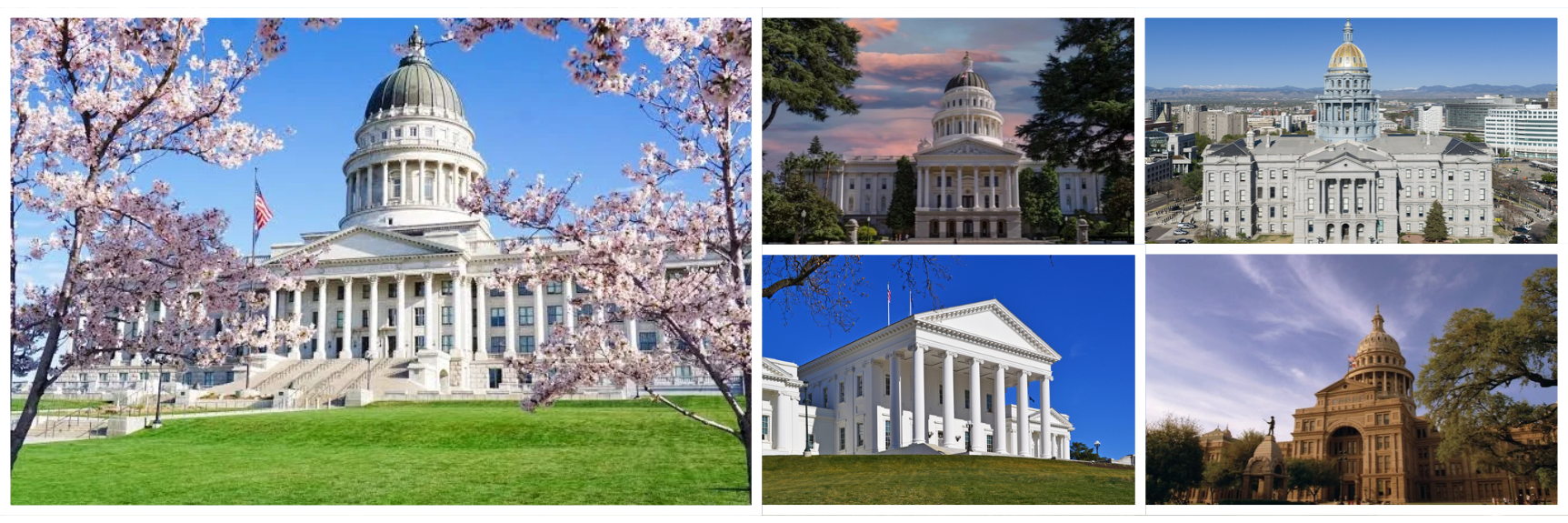
Last week, voters in 36 states chose their governors, and 21 states are welcoming a new chief executive. A change in leadership brings a short, busy window for the new governor to set priorities, build a team, and prepare a first budget. The choices made in these early weeks of a gubernatorial transition can shape how the state approaches energy affordability, clean energy deployment, economic competitiveness, and emissions reductions, for years to come.
State Staff Are Essential to a Strong Start
Transition teams are small and short on time. State staff who stay between administration changes – the vast majority of state staff – bring something incoming administrations can’t build overnight: deep knowledge of the programs, budgets, and statutes already in place. Even without a direct line to the transition team, staff can prepare focused, ready-to-use information, for agency leadership to share, helping new leaders find early wins without starting from scratch.
That’s why the State Support Center developed Clean Transitions: How State Career Staff Can Help New Governors Succeed on Clean Energy and Climate. This fact sheet, drawn from our full Clean Transitions Playbook, offers practical guidance on how state staff can support a new administration, including:
Educational briefings and memos on key agency programs, gaps, and opportunities.
Highlighting existing plans and programs ready to expand or implement, such as Climate Pollution Reduction Grant action plans and State Energy Program funds.
Budget concepts framed around state revenue realities, from modest asks to ideal requests.
Policy inventories of expiring executive orders, sunsetting statutes, and upcoming federal deadlines.
Organized input sorted by policy lever, lead agency, and timeline, so teams can act on it quickly.
If you have any questions about how best to support a gubernatorial transition in your state, please don’t hesitate to reach out to us.
Making Federal Energy Policy Work Better for States
The State Support Center is speaking with current and former state energy officials about their experience implementing federal programs, and their ideas on new federal policy actions to help achieve energy, climate and affordability goals. Through these conversations, the SSC aims to gather insights to inform future federal legislative and executive policies and processes, as we believe states must be at the core of federal energy policy. Check out more about this project here and reach out if you’ve got thoughts to share.
Questions, or want to talk through how to support your state’s transition? Our team offers pro bono technical assistance to states. Reach out.
Best,
State Support Center
What We Are Reading
Looking for fresh ideas? Check out these new resources from our partners:
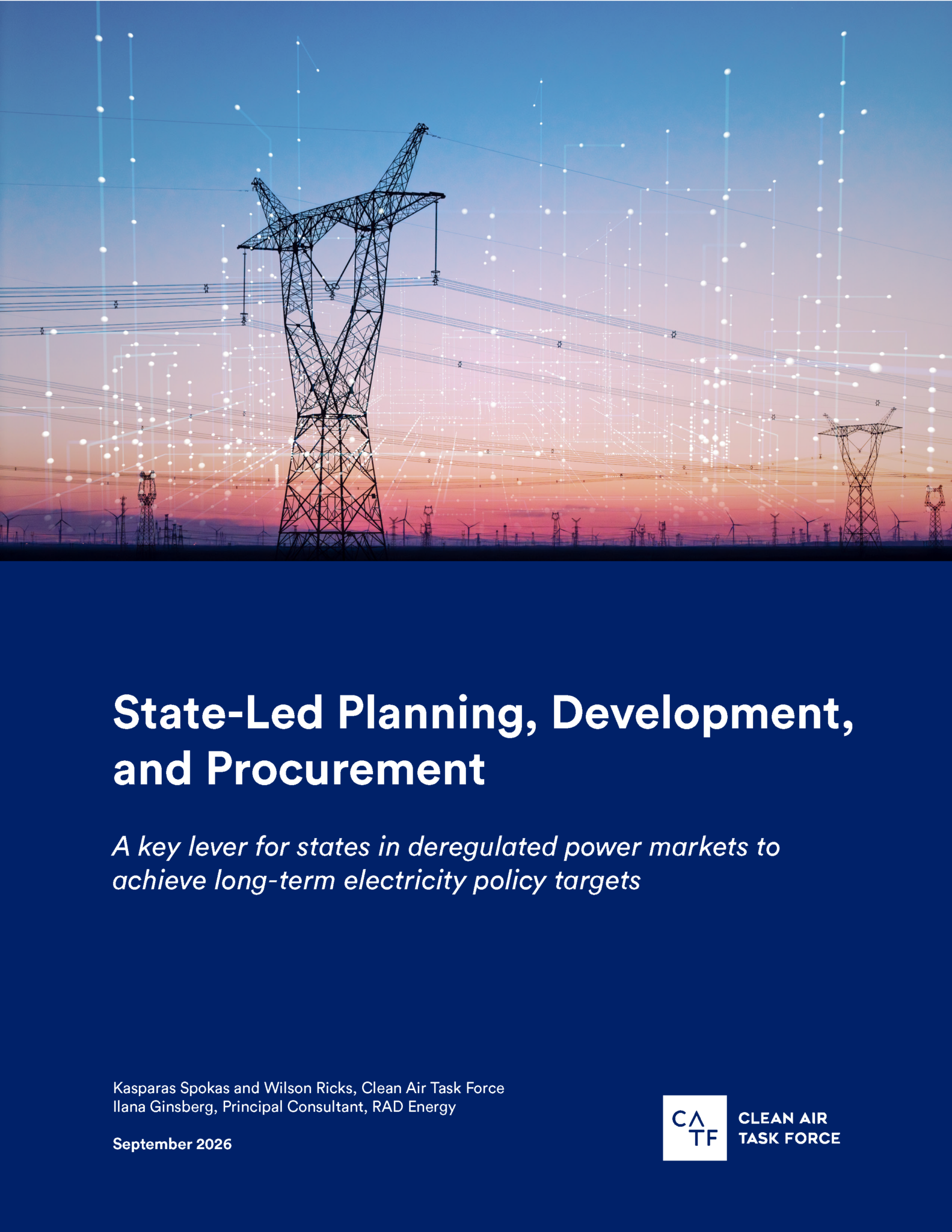
State-Led Planning, Development, and Procurement (Clean Air Task Force): Identifies how establishing state-led planning and procurement can help state governments in deregulated electricity markets meet their power sector decarbonization goals and lays out the components needed to put that planning in action.
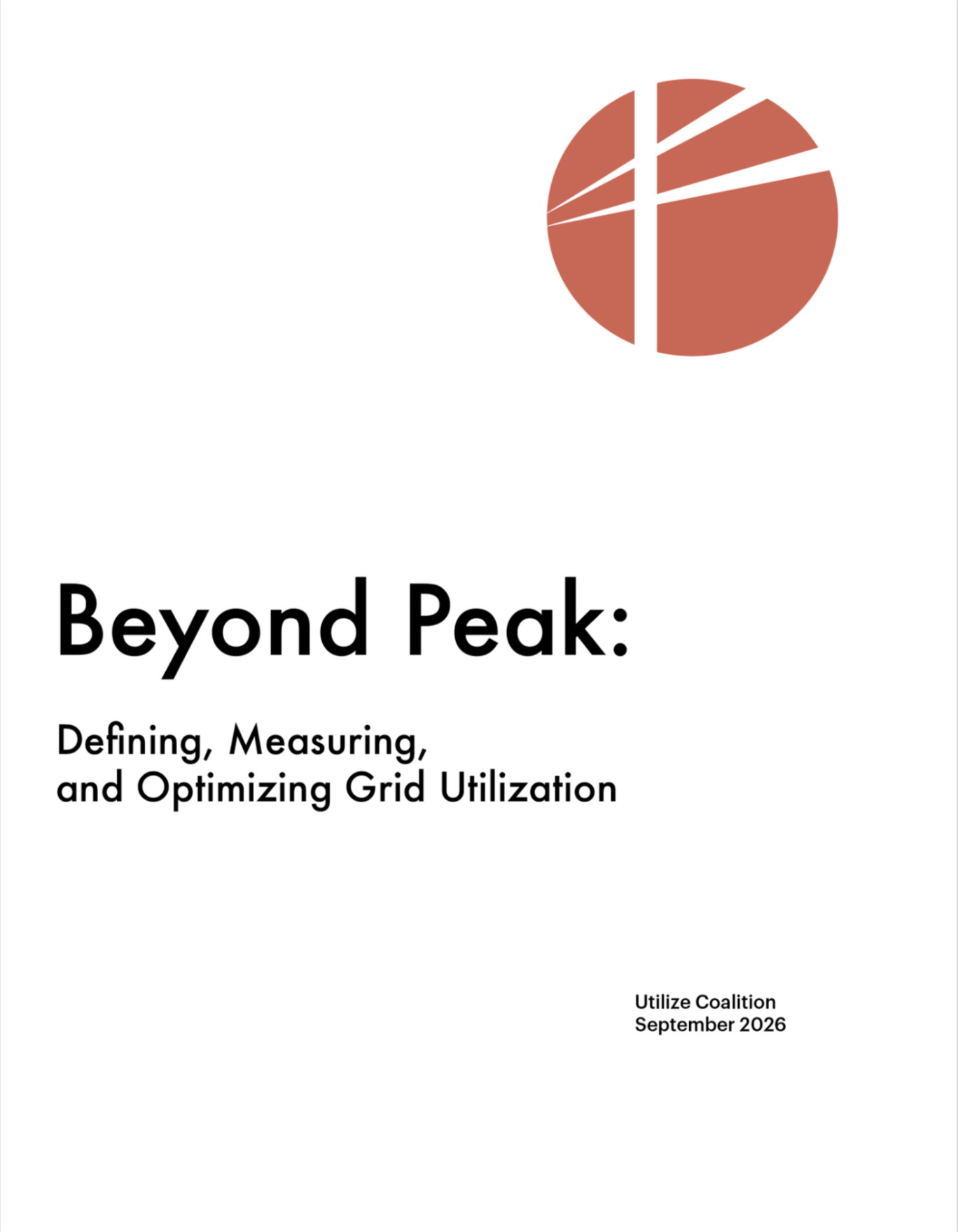
Beyond Peak: Defining, Measuring, and Optimizing Grid Utilization (Utilize Coalition): A framework and definition of grid utilization to help states see where existing grid infrastructure can handle more and where new investment is actually needed.
Local Power Blueprint (Common Charge): A policy guide for states to lower bills and improve reliability by expanding local energy resources, through distributed technology like rooftop and community solar, home and neighborhood batteries, electric vehicles and chargers, and smart thermostats, on their own or organized in virtual power plants.
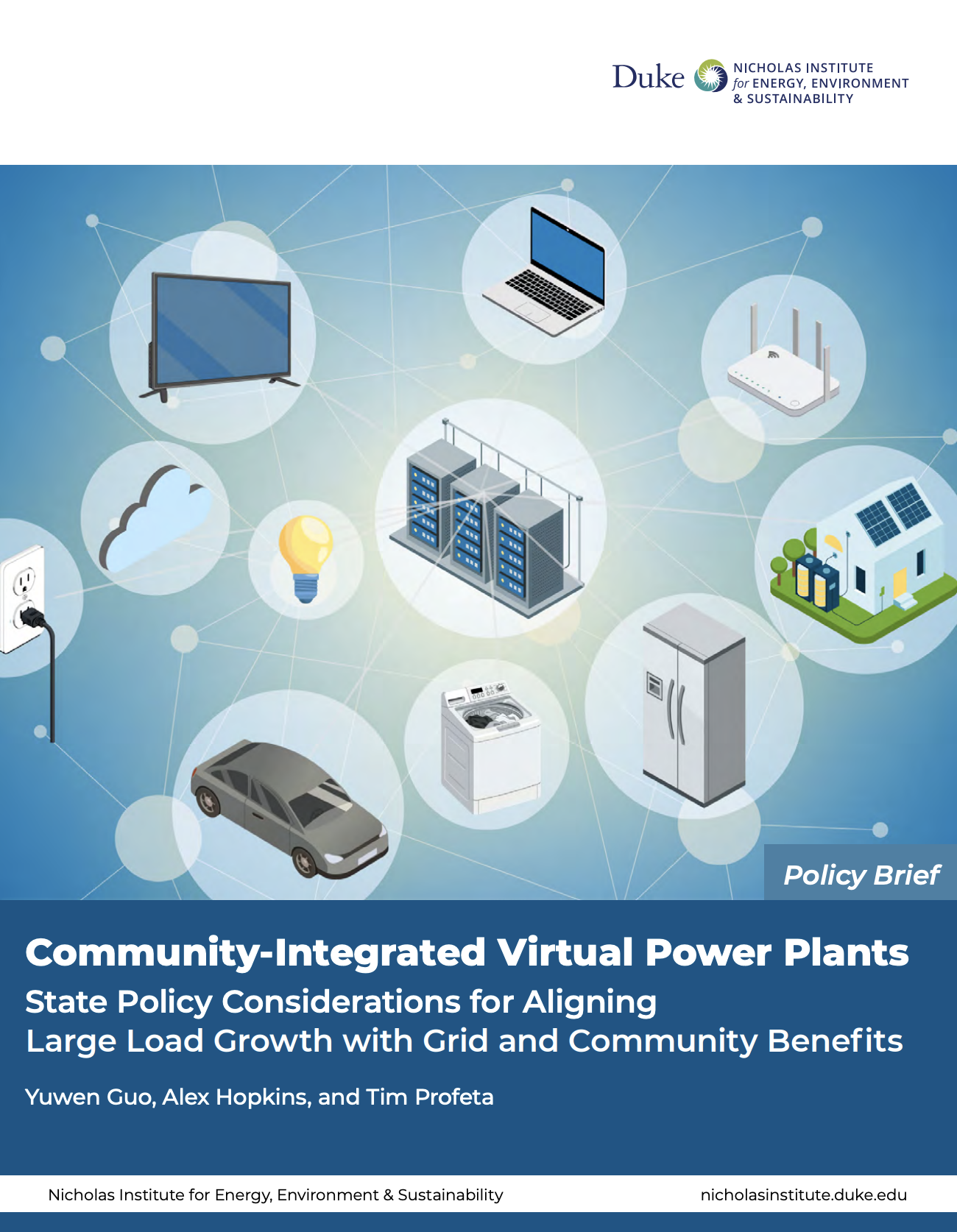
Community-Integrated Virtual Power Plants: State Policy Considerations for Aligning Large Load Growth with Grid and Community Benefits (Nicholas Institute, Duke University): How states can make sure data center-funded VPPs deliver both proven grid value and real community benefits.