

Get a Load of This: New Large Load Grid Solution
Dear <<First Name>>,
As summer winds down and legislative sessions and elections start coming into view, data centers are dominating headlines as load growth continues reshaping the grid. We’ve got a new solution to turn this challenge into an opportunity: meet the Large Load Grid Surcharge.
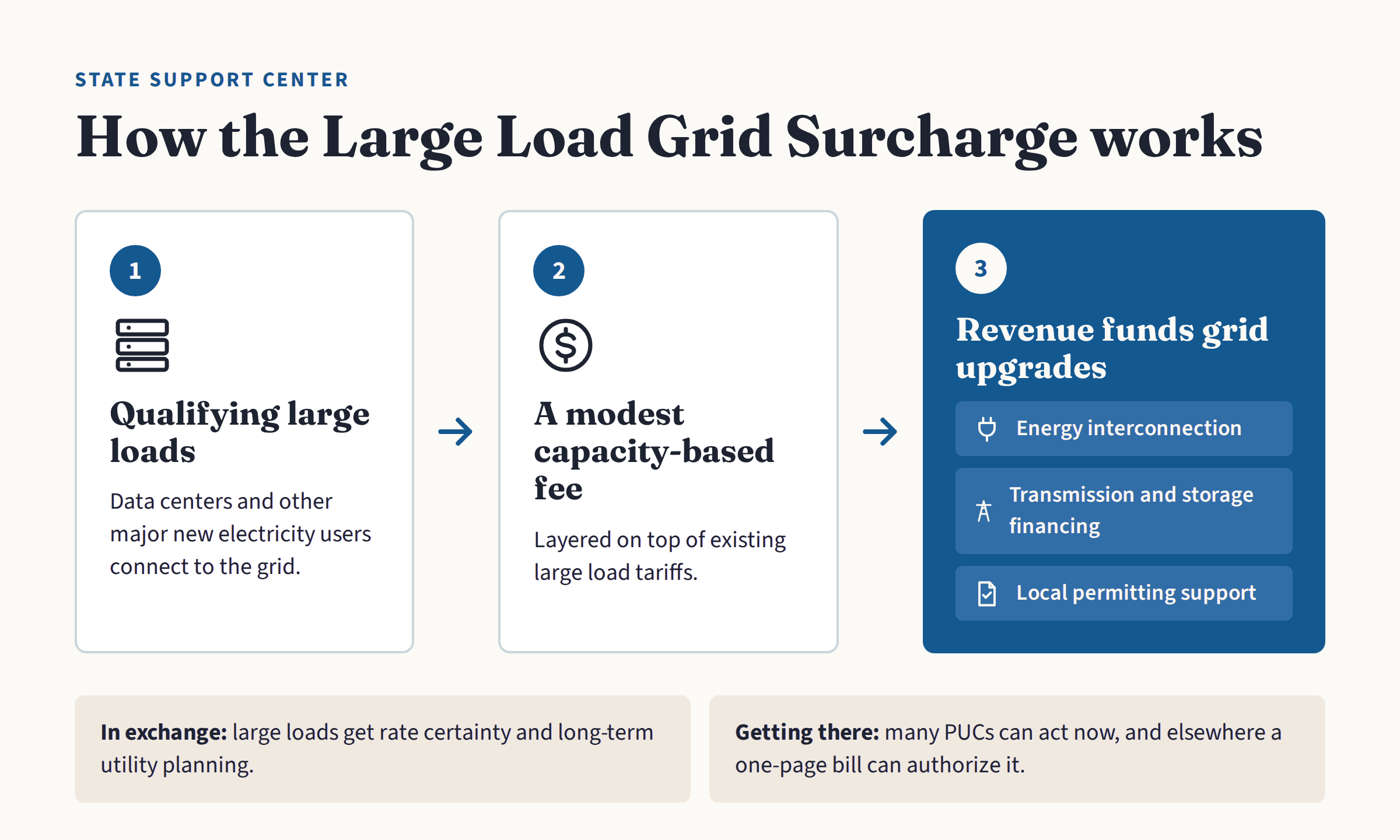
While states have been innovating on large load solutions they still lack a tool that channels data center growth into grid investment. Large load tariffs cover connection costs, some states tax energy use, but almost no mechanisms fund the upgrades the grid actually needs. A Large Load Grid Surcharge would generate a modest, capacity-based fee on qualifying large loads, layered on top of existing tariffs, with revenue directed to energy interconnection, transmission and storage financing, and local permitting support. In exchange, large loads would get certainty in rates and long-term utility planning. Many PUCs already have the authority to act on this, and where they don't, a simple one-page legislative bill can authorize it. The concept was recently featured on Heatmap.
Virtual Power Plants: a new role for green banks
Virtual power plants (VPPs) – an aggregation of distributed energy resources, or devices such as smart thermostats, electric vehicle chargers, water heaters, batteries, or rooftop solar panels, coordinated to provide grid services – are another tool many states are exploring to deal with load growth. A new State Support Center memo outlines the Potential Roles for Green Banks & Economic Development Agencies in Supporting Virtual Power Plants. Drawing on models like the Connecticut Green Bank and California Energy Commission, it lays out ways these institutions can serve as program co-administrators and bring project origination expertise to complement the competencies of utilities, utility regulators, grid operators, and VPP developers.
Good News from the States
States are taking the reins to launch innovative climate and energy solutions.
In eastern Montana, coal seams buried up to 270 feet underground have been smoldering and igniting rangeland wildfires. The state's Department of Natural Resources and Conservation is using EPA Climate Pollution Reduction Grant dollars to dig out the worst hot spots at the source. Addressing the underground fires will directly reduce carbon dioxide, methane and nitrous oxide emissions, improve air quality, and protect firefighters, communities and natural resources.
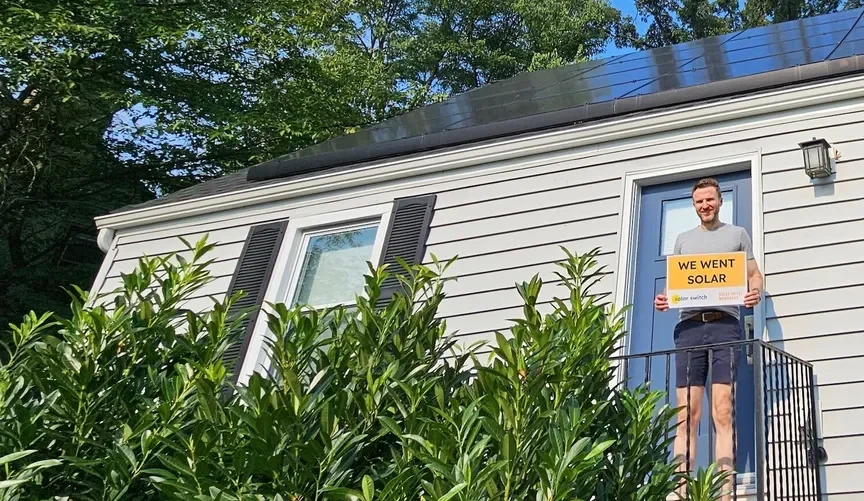
Virginia just launched the nation's first statewide rooftop solar bulk-buy program, Switch Together. The program pools demand across the state so installers can buy panels in bulk and pass the savings on to homeowners, cutting installation costs by 20-30%. Since the governor's office announced it in July, over 4,300 residents have signed up, and the program is projected to add nearly 4 megawatts of rooftop solar by the time the campaign closes in October. The state's role was limited to organizing, endorsing, and promoting it, costing nothing, a model any state could copy.

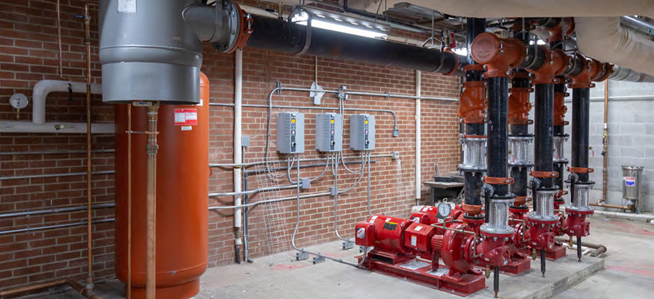
In Maine, the Department of Education, the Governor's Office of Policy Innovation, and Undaunted K12 partnered to publish the School HVAC Modernization Funding Guide. The guide gives decision-makers locally-grounded project and cost examples, funding and financing options, and guidance for selecting and contracting with energy services companies. Local leaders appreciate the help because comfortable kids are ready to learn and these projects remain eligible for elective pay tax credits until 2034.
Resources Worth Your Time
Clean Air Task Force released Next-Generation Geothermal at Scale: A State Action Framework. The framework lays out five levers states can pull: characterizing subsurface resources, setting clear regulatory frameworks, financing early exploration, building supportive transmission infrastructure, and sustaining R&D. For each lever, it offers concrete, adaptable policies, giving states a practical starting point for unlocking clean, firm geothermal power.
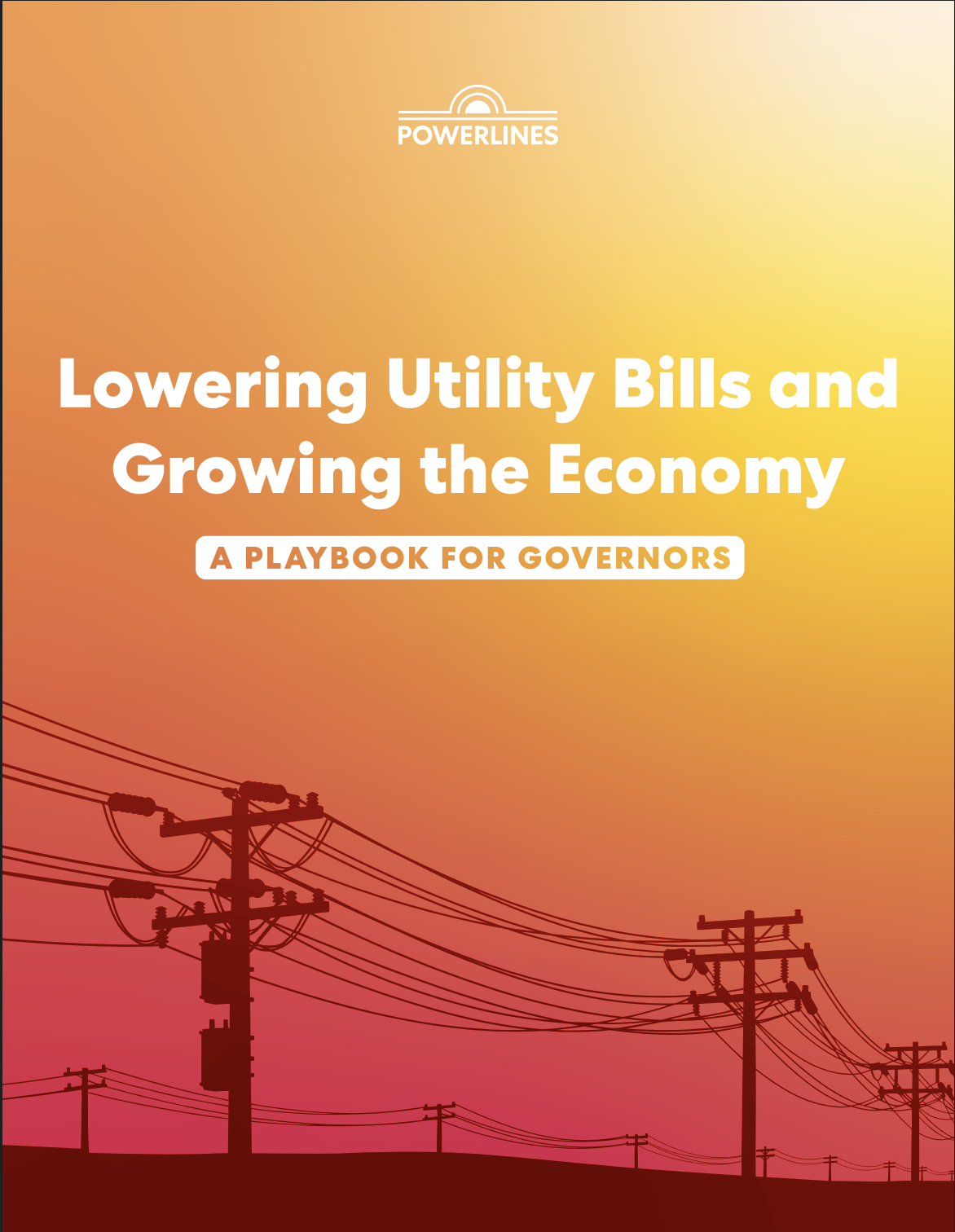
PowerLines released Lowering Utility Bills and Growing the Economy: A Governor's Playbook. The playbook lays out tactics of engagement governors can use, from building a working relationship with the PUC to crafting a full utility affordability plan, alongside six policy pathways covering everything from utility business model reform to stronger PUC oversight.
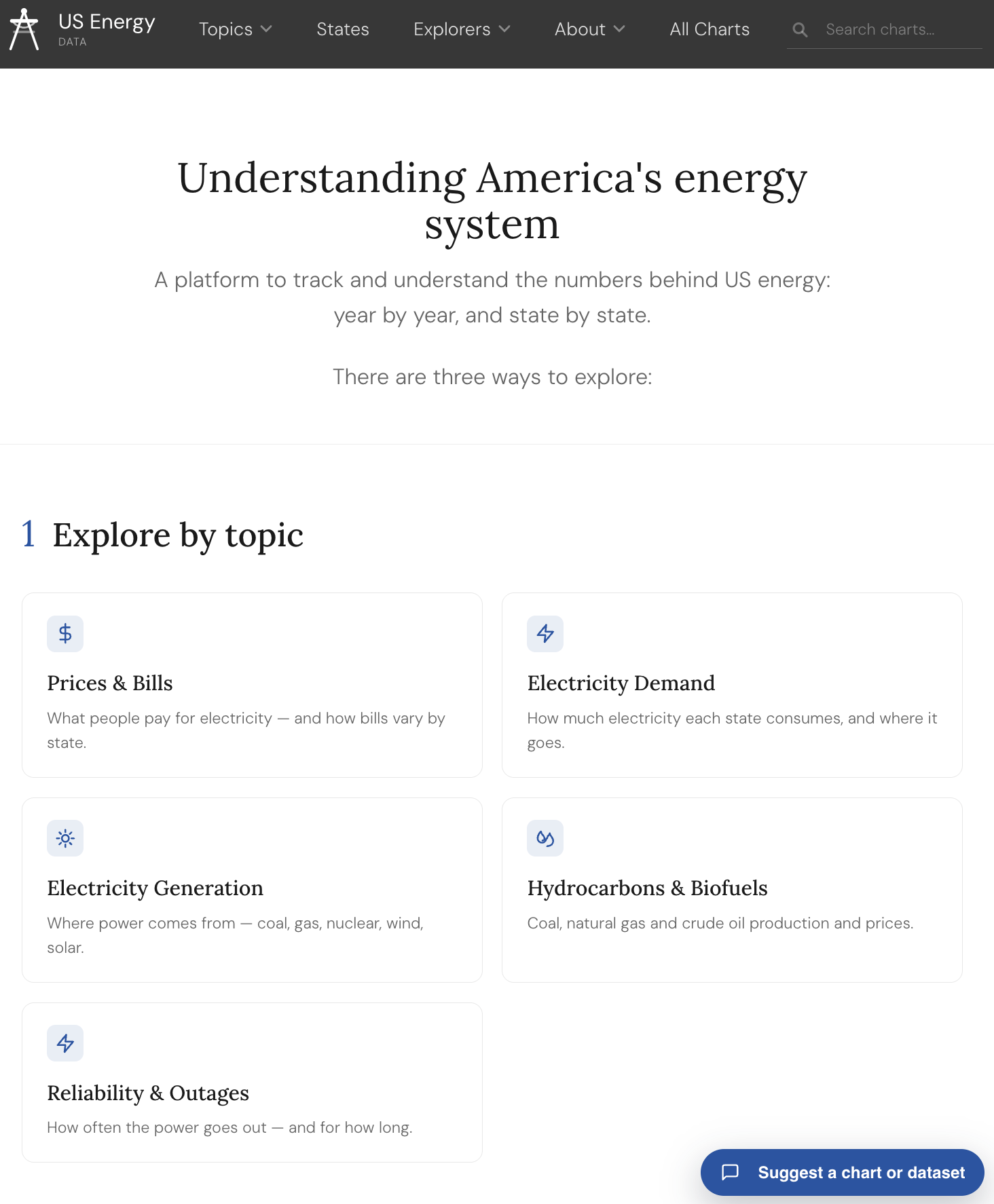
US Energy Data is a new platform that brings together multiple data streams into one easy-to-understand and easy-to-manipulate website with state by state energy facts. You can explore curated data for any of the 50 states on how they generate power, what people pay, and how reliable their grid is.
If you want to go deeper on any of the above, drop us a line. We’re here to support you (it’s right in our name).
Cheers,
The State Support Center