For most people July 4 meant fireworks, cookouts, and celebrating 250 years of America. But we know this audience was focused on a different milestone this Independence Day: the deadline for solar and wind projects to receive federal tax credits based on their commence construction date. However, even with the July 4 commence construction date behind us, states can still act to help certain projects take advantage of these incentives before the December 2027 placed in service deadline.
The State Support Center has developed recommendations to help states prioritize high-impact actions to accelerate deployment before the deadline, organized around three key opportunity areas:
Commercial, Industrial & Community-Scale Projects: Smaller solar and wind projects, including installations on commercial and industrial facilities, government buildings, schools, and nonprofits, can go from concept to connected relatively quickly.
Projects Using Surplus Interconnection Capacity: Projects that add new generation at sites with underutilized grid capacity can avoid long interconnection timelines to be placed in service quickly.
Leased Residential Solar: While the federal residential solar tax credit has been terminated, homeowners can still benefit if they install solar systems with third-party ownership (TPO).
States that move with urgency can unlock the energy and affordability benefits of these clean energy technologies. Of course, these clean energy technologies also remain the cheapest, most readily-available technologies to use to meet growing electricity demand, even without federal tax incentives.
The Fastest Watt Is the One You Already Have
States chasing the next megawatt don't have to wait for it — they can unlock it from homes already connected to the grid. Rewiring America's new Homegrown Energy report makes the case that distributed resources can be deployed in months, not years, and at scale they add up. For example, in Texas upgrading the state's 4.5 million central-AC homes to heat pumps could unlock 4 GW.
One pathway to maximizing home efficiencies and using the electrons already on the grid is through the federal Home Energy Rebate programs. New guidance to the program is out, and states are working hard to start or continue using these funds to lower costs for households. North Carolina and Georgia have developed useful dashboards to track progress, which are worth replicating. If your state needs help understanding the new guidance, or talking through good approaches, feel free to reach out – we are happy to help!
Permit Faster, Power Faster
Did you know that 1 in 3 Australian homes now have rooftop solar, generating 28.3 GW of capacity? Simple permitting systems are one important part of their secret sauce to deploying so much solar. States can simplify their residential solar permitting systems and leverage new tools to move projects quicker. Solar permit and interconnection approval times in the United States range from 25 to 64 days. Places with standardized forms, online submission, and dedicated utility renewable energy teams consistently land in the fastest tier.
Local permitting can often add an additional hurdle to deployment. States can encourage participation in the SolSmart program for no-cost technical assistance to help local governments follow national best practices.
The Storage Opportunity
Here’s a piece of good news worth repeating: the investment tax credit for commercial and utility-scale storage remains at full value through 2033.
GridLab's new Storage Gap report shows battery deployment is currently concentrated in states where supportive policies enable scale. State action is a bottleneck to fully reaping the benefits of these flexible energy assets. Addressing this bottleneck will require reforms that let batteries stack revenue streams, properly value their flexibility and reliability contributions, and simplify interconnection and procurement processes.
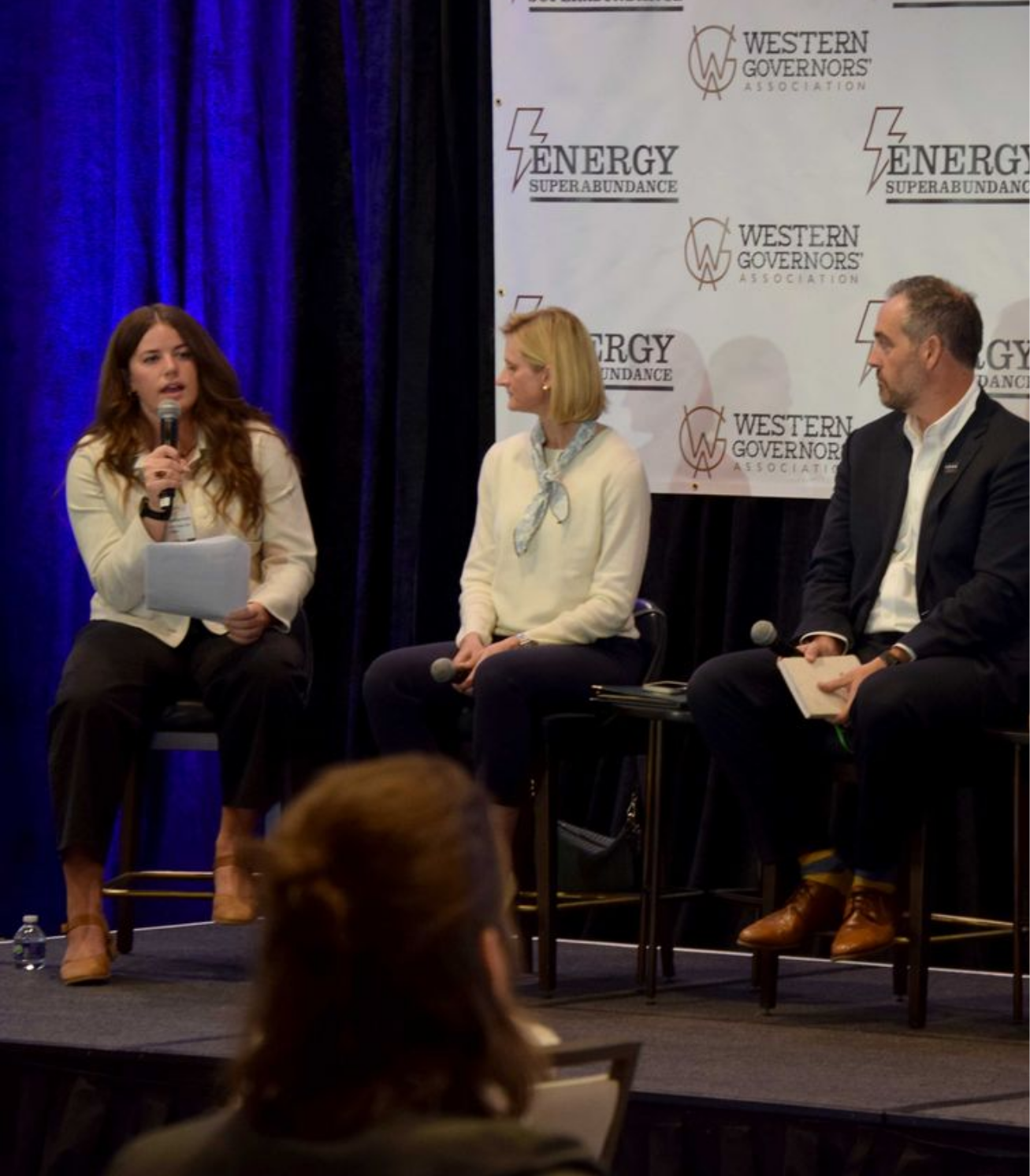
Storage is also a hot topic for the Western Governors' Association. Ahead of releasing their new report, Energy Superabundance: Unlocking Prosperity in the West, our State Energy Strategist, Rachel Chamberlain, moderated a panel on long-duration and grid-scale storage at the Energy Superabundance Conference. As the report notes, storage is key to strengthening grid reliability, integrating more variable resources, and providing firm capacity when demand peaks or generation runs low. The State Support Center is building recommendations on how states can maximize storage deployment. If you've got ideas send them our way.
Cheers to a lovely summer!
The State Support Center Team